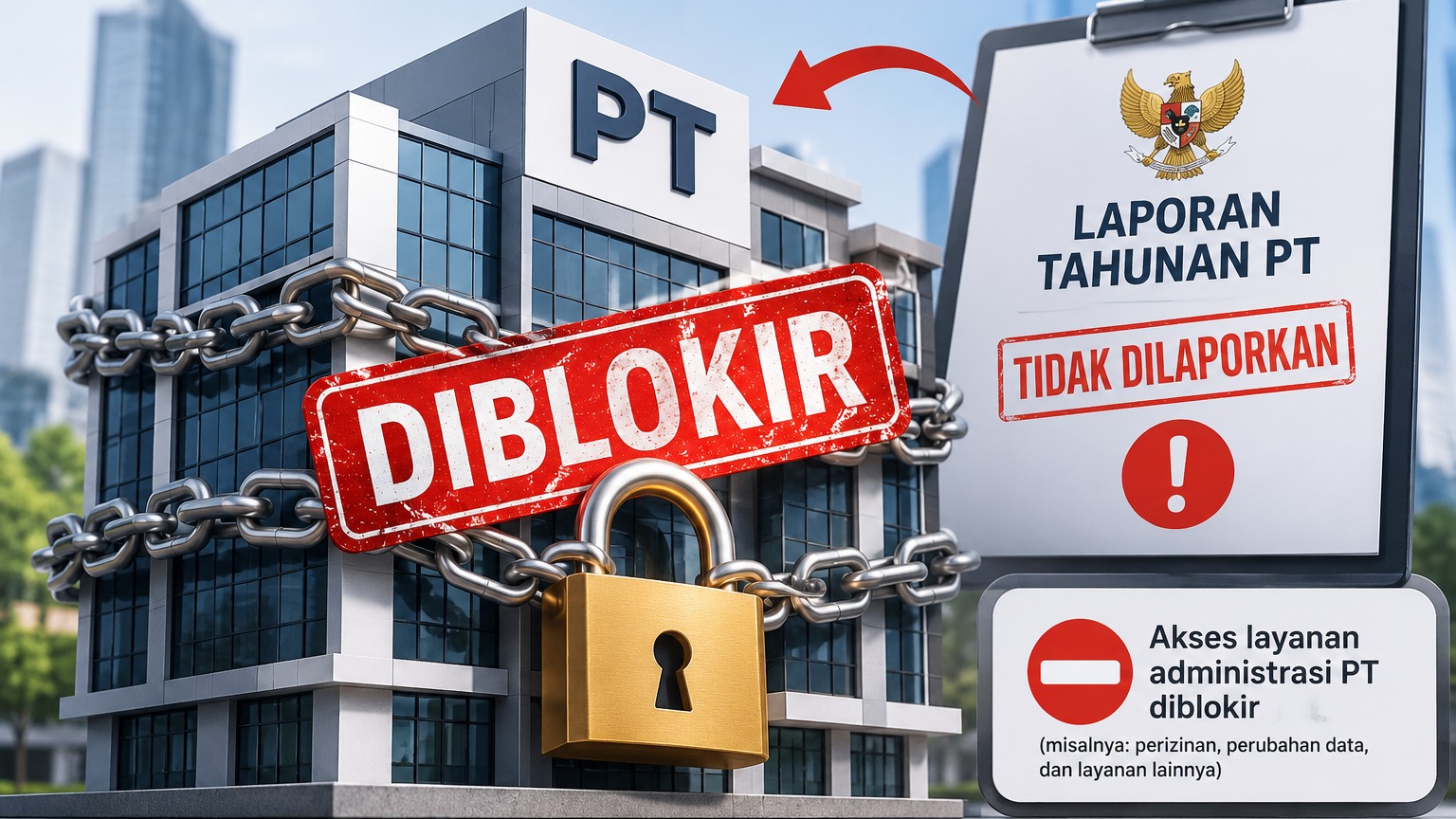
The government has updated the regulations regarding debt payments and tax penalties—and these changes are more favorable to taxpayers than the previous regulations
Effective October 2, 2026, new tax regulations have taken effect. Minister of Finance Regulation No. 71 of 2026 officially amends several provisions that have long been a burden on taxpayers who still have outstanding tax liabilities—including both the principal amount and administrative penalties.
These changes introduce a number of provisions that are more favorable to taxpayers. However, as with most tax regulations, the benefits do not come automatically—only those who understand the rules and take action in a timely manner can make the most of them.
The Mechanism for Paying Tax Debts Has Now Changed
Until now, every payment made by a taxpayer has been divided proportionally between the principal debt and administrative penalties. As a result, even after making a large payment, the principal debt is not necessarily paid off immediately—because a portion is always allocated toward paying the penalties.
PMK 71/2026 changes this mechanism. Payments are now fully prioritized to pay off the principal tax debt first. Only after the principal is paid off are overpayments applied toward administrative penalties. With this change, the process of paying off the principal is faster—and a reduction in the remaining penalties can still be requested separately.
Illustration: principal of Rp500 million + penalty of Rp100 million → pay Rp500 million = principal paid off. A request for a reduction of the Rp100 million penalty can still be filed.
Administrative Penalties May Be Reduced or Waived
PMK 71/2026 also refines the provisions regarding requests for the reduction or waiver of administrative penalties. This could present a significant loophole for companies with substantial outstanding penalties.
This benefit is not granted automatically. Taxpayers must submit an application and meet the specified administrative requirements. It is important to note that not all penalties are eligible for this relief—penalties arising from objection, appeal, or reconsideration proceedings are excluded from this mechanism. Before taking any action, first identify the type of penalty and the basis for its imposition.
⚠ Important: This PMK is not a tax amnesty policy. The principal amount of the tax debt must still be paid in full.
Objection Procedures: What to Expect
PMK 71/2026 also tightens several provisions in the tax appeal procedure. It is important to understand these so that companies do not run into problems during the process.
If a taxpayer chooses not to attend the objection hearing, the taxpayer may submit a written response to the results of the objection review—which must be sent no later than 10 business days after the Notice to Appear is sent.
In addition, the DGT’s authority in the objection review process has also been expanded:
- The DJP now has the authority to exchange information with foreign tax authorities
- The DJP may request or borrow books, records, and data from taxpayers
- The DJP may conduct on-site inspections at taxpayers' premises if necessary
The completeness of documentation and adherence to deadlines in the objection process have become far more crucial than ever before.
Concrete Steps You Can Take Right Now
The opportunities presented by PMK 71/2026 are real—but only companies that act early can take advantage of them. Here are the steps you can take right away:
- Inventory of all outstanding tax liabilities and administrative penalties
- Identification of the types of tax rulings and the grounds for imposing penalties
- Determine whether the company qualifies for a reduction or waiver of sanctions
- Gather the required documents and note the submission deadline
- Develop a payment strategy that takes into account its impact on cash flow
This article is intended for educational purposes and general understanding. The information provided is a summary and is not a substitute for professional tax advice. Every tax situation has a different context—make sure any decisions you make are based on an analysis tailored to your company’s specific circumstances. Need help understanding the impact of PMK 71/2026 on your company’s tax situation? Our team is here to help.