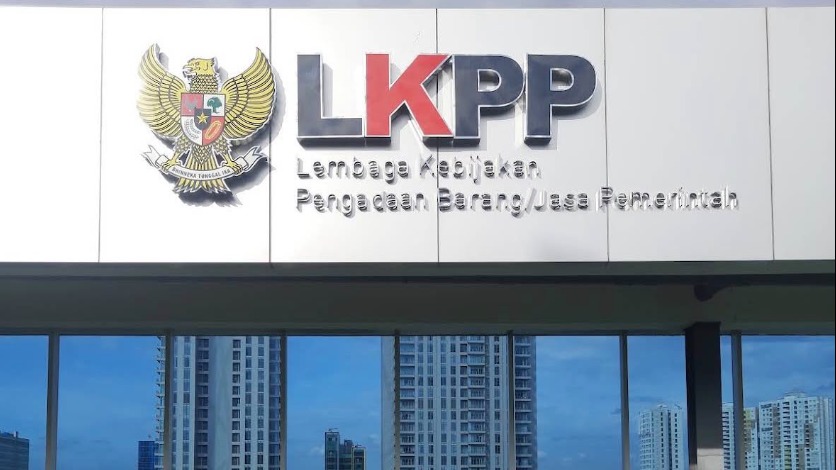
The practice of borrowing another company’s name to participate in government tenders—commonly known as “flag borrowing”—is now strictly prohibited. This prohibition is stipulated in Article 5 of Regulation No. 3 of 2026 issued by the Government Goods and Services Procurement Policy Agency (LKPP). For businesses wishing to participate in government procurement, this regulation sends a strong signal that they must have their own business entity.
New Rules Replacing the Old Regulations
LKPP Regulation No. 3 of 2026 sets forth Guidelines for the Preparation and Implementation of Government Procurement of Goods and Services Through Providers. This regulation was enacted in Jakarta on September 22, 2026, and is currently in effect. It supersedes LKPP Regulation No. 12 of 2021 and its amendment, namely LKPP Regulation No. 4 of 2024.
Among the various provisions set forth, Article 5 stands out because it prohibits parties involved in procurement from lending or using the name of another company. The same rule also prohibits the transfer of the entire project, along with its responsibilities, to another party.
What Is "Borrowing a Flag"?
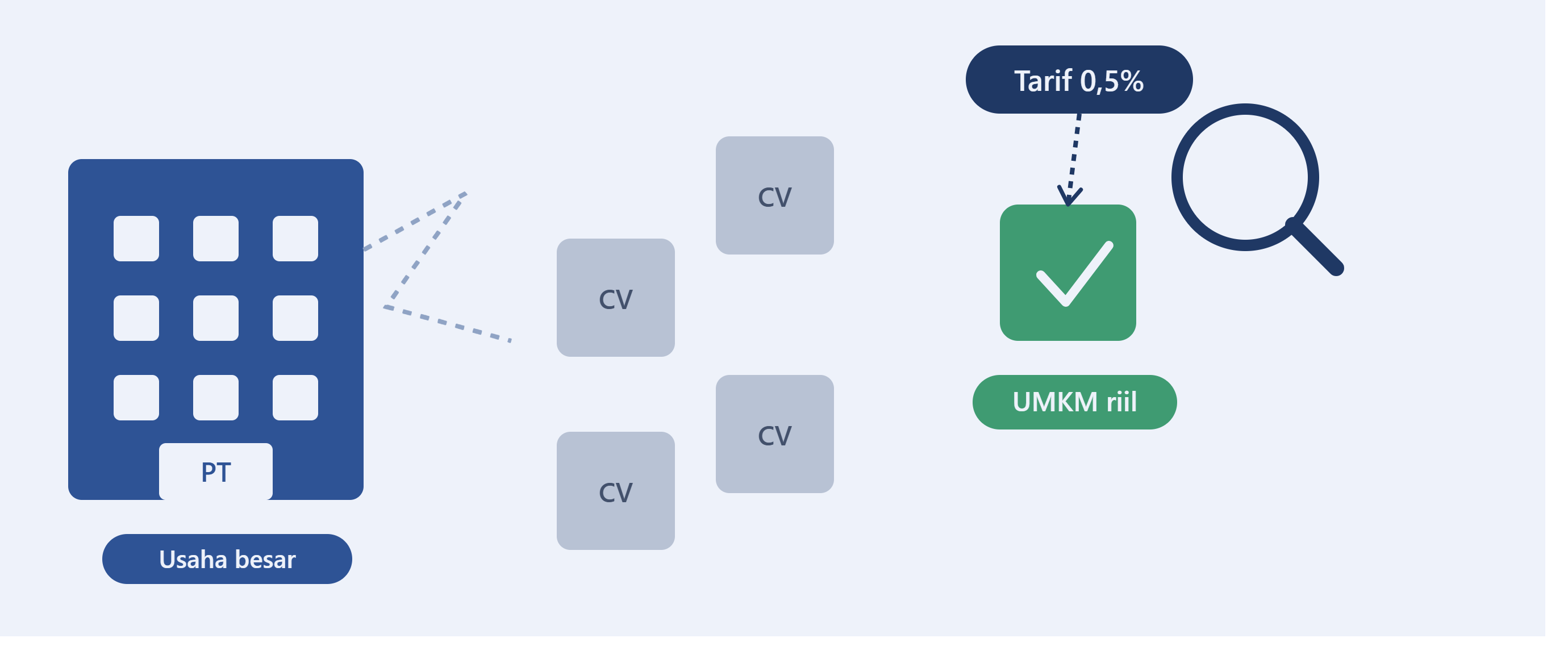
In practice, “flag borrowing” occurs when an individual or group that does not have a business entity uses another person’s PT or CV to participate in a tender. The company whose name is borrowed typically serves only a nominal role and receives compensation, while the actual work on-site is carried out by another party.
This pattern often leads to problems: contractual responsibilities become unclear, the quality of work is difficult to monitor, and competition becomes unfair for providers who conduct their business honestly.
Risks for Business Owners
Given the explicit prohibition in Article 5, this practice could have consequences for all parties involved. Some risks to be aware of include:
Bids may be rejected and contracts may be terminated.
Suppliers may be subject to administrative sanctions in accordance with procurement regulations, including possible inclusion on the blacklist.
The project manager does not actually have a clear legal status.
A company whose name is used also bears responsibility under the contract.
The type and severity of penalties are determined in accordance with applicable regulations and the specific circumstances of each case. Business operators are advised to refer directly to the official text of the regulations.
Self-Legitimacy as a Foundation
For business owners who have long relied on lending companies, establishing their own business entity is the safest course of action. With a PT or CV in their own name, their work history, experience, and reputation will be attributed to that company itself, rather than to a third party.
The establishment of a business entity eligible to participate in tenders generally includes a certificate of incorporation, approval from the Ministry of Law, the business entity’s Taxpayer Identification Number (NPWP), a Business Identification Number (NIB) with the appropriate KBLI code, as well as access to the Integrated Business Licensing System (OSS RBA) and LKPM reporting. Once all legal requirements are met, suppliers can register and undergo verification on the government procurement system.
This article is intended solely for general informational and educational purposes and does not constitute legal advice, legal consultation, or a guarantee of specific results. The content of this article refers to LKPP Regulation No. 3 of 2026, as in effect at the time of writing; provisions may change or be subject to differing interpretations depending on the case. Readers are advised to refer directly to the official text of the regulation via the LKPP’s JDIH and/or consult with legal counsel or the relevant authorities before making any decisions. Pricing and service information are subject to change at any time. The author and publisher are not liable for any losses arising from the use of the information in this article.